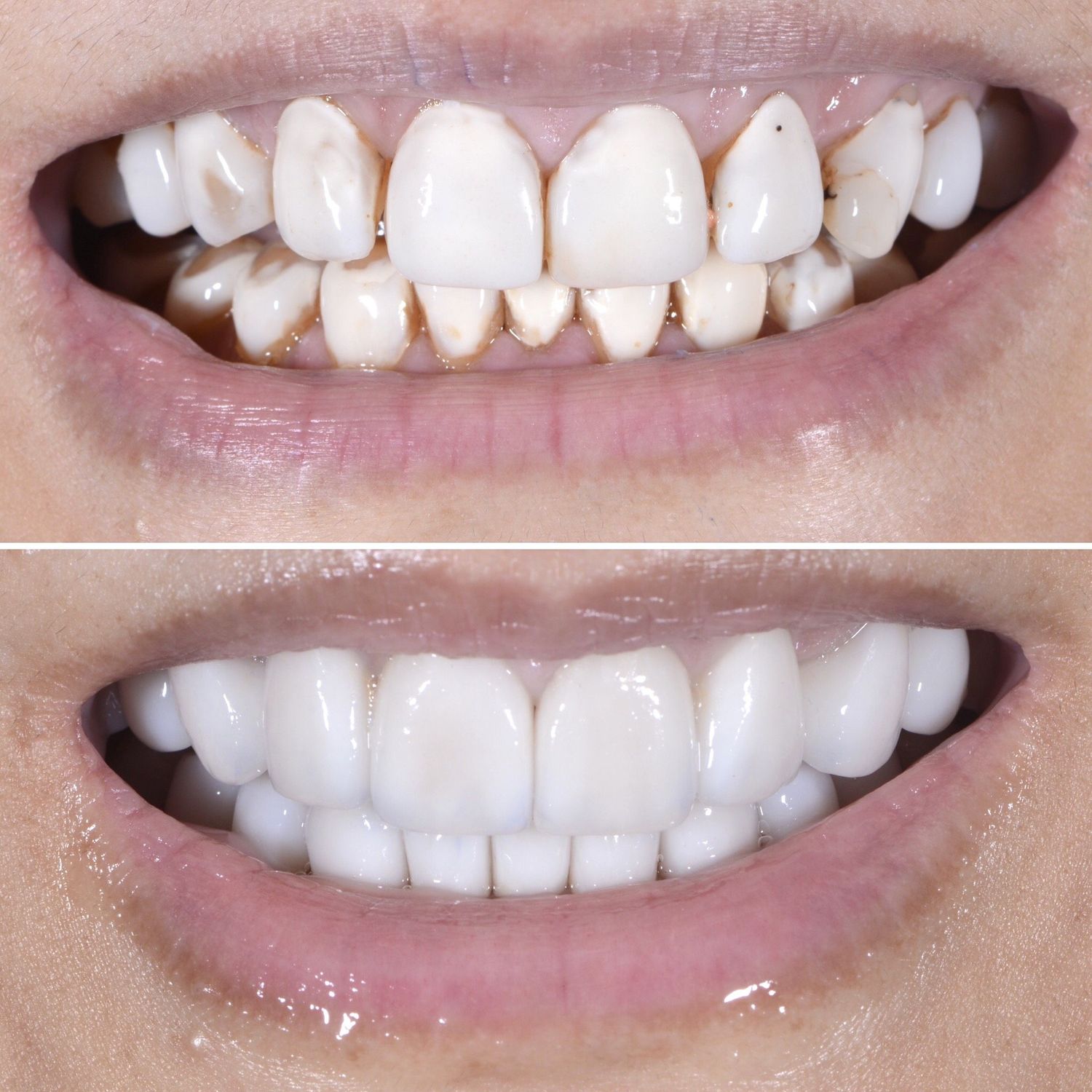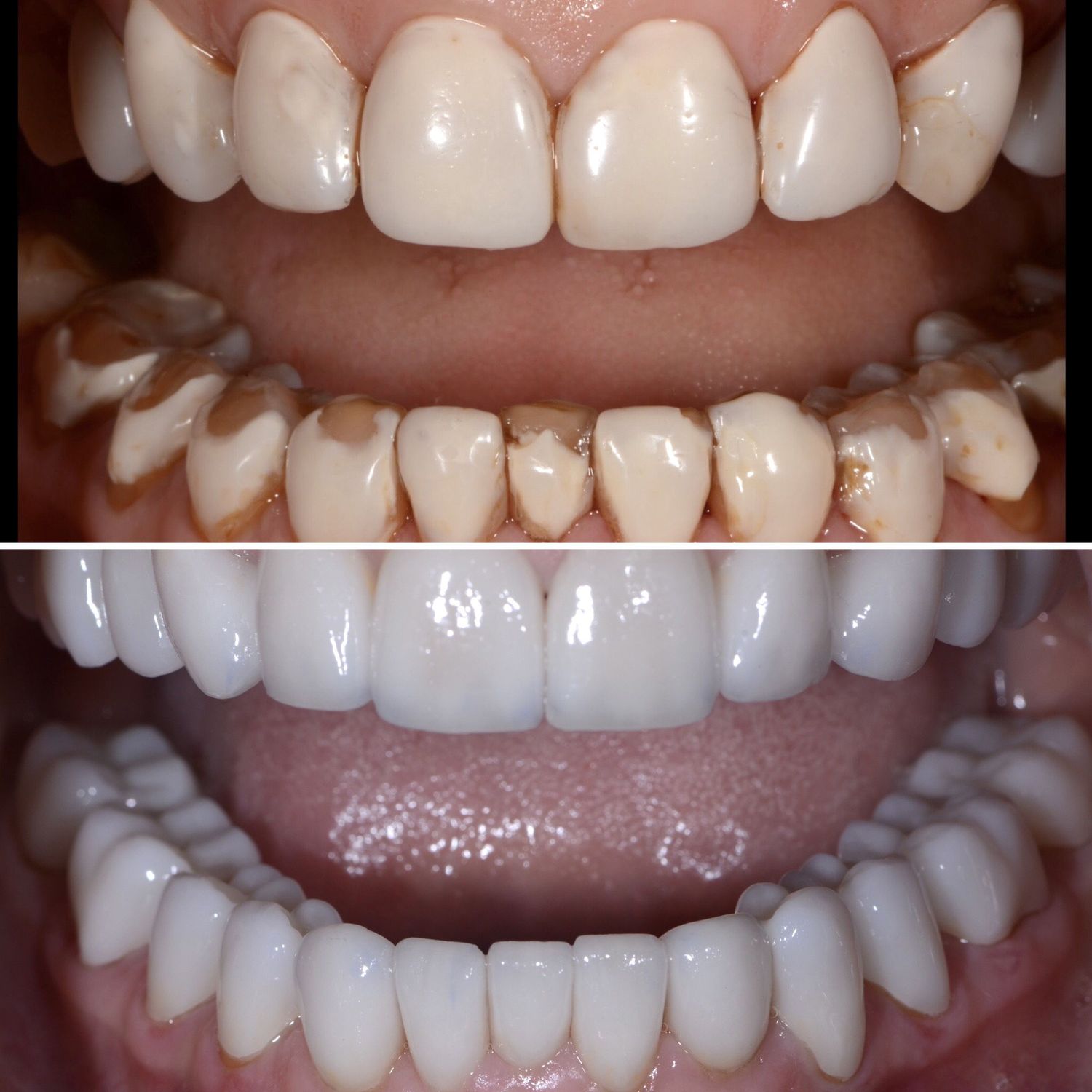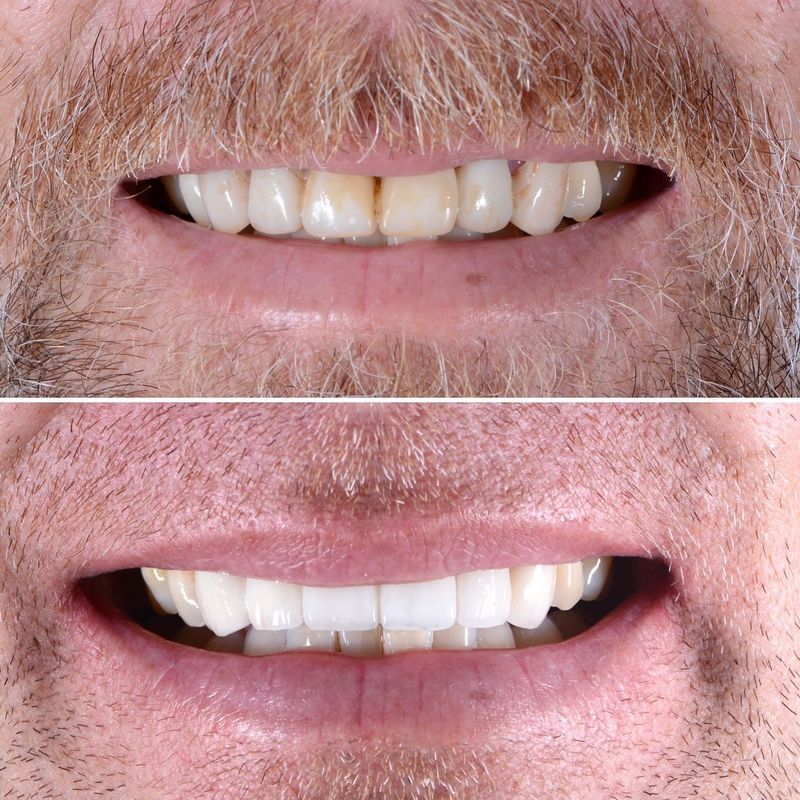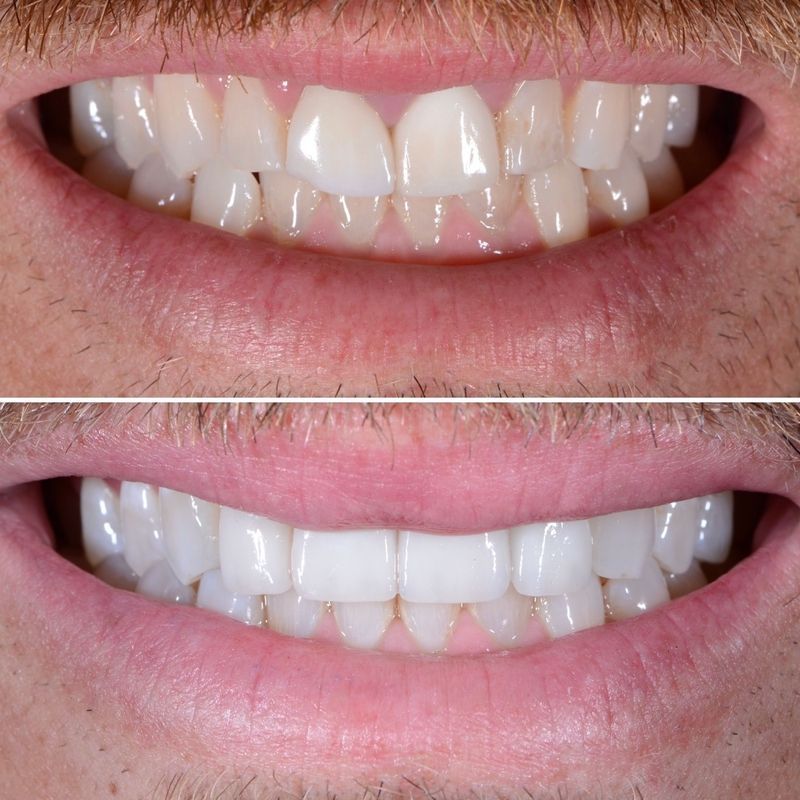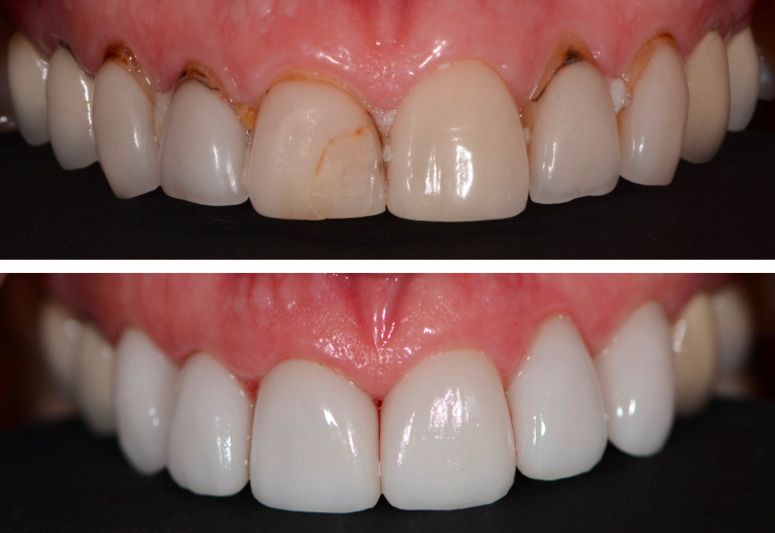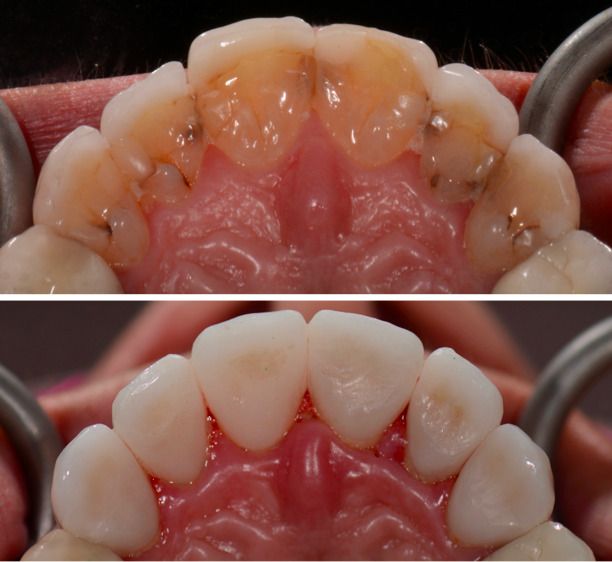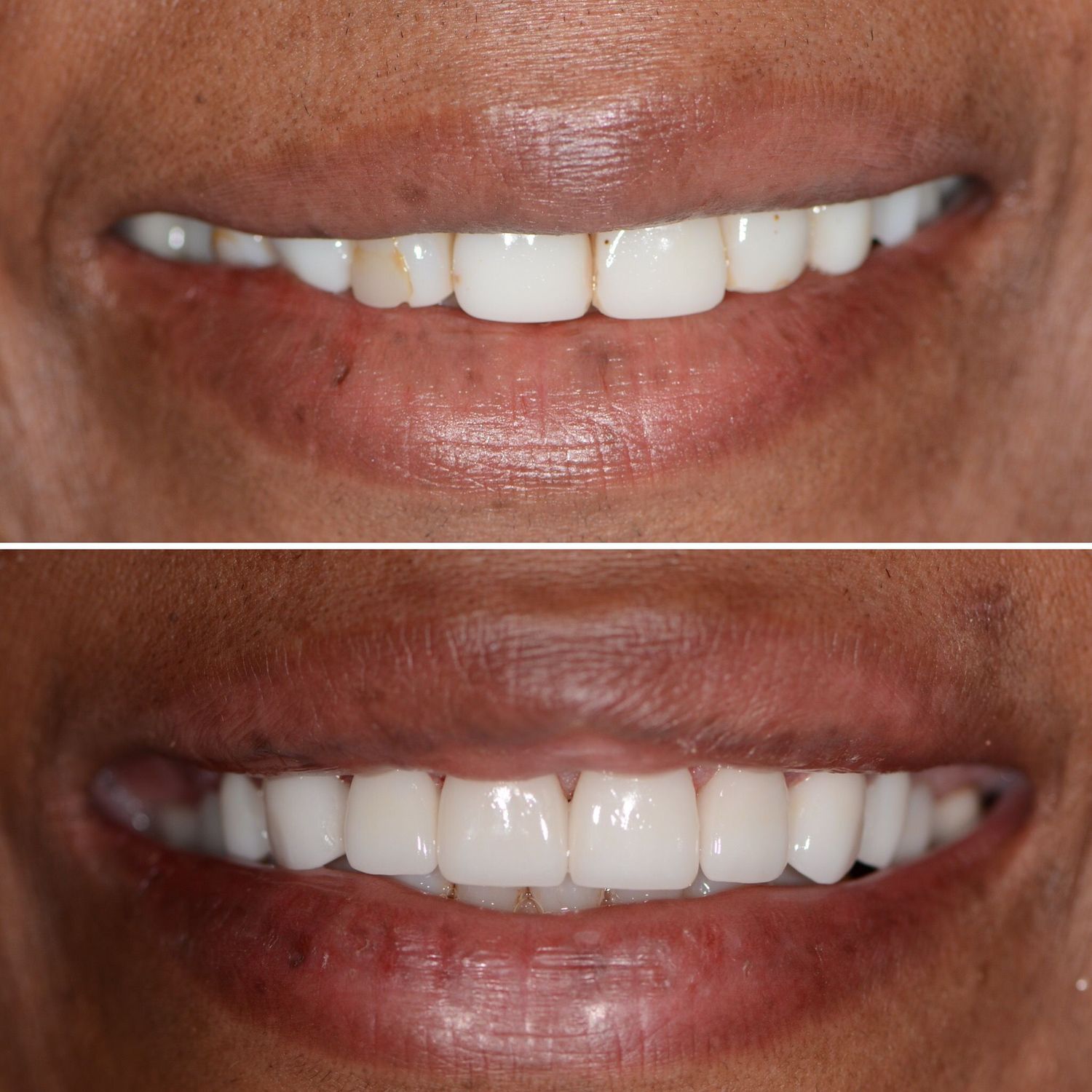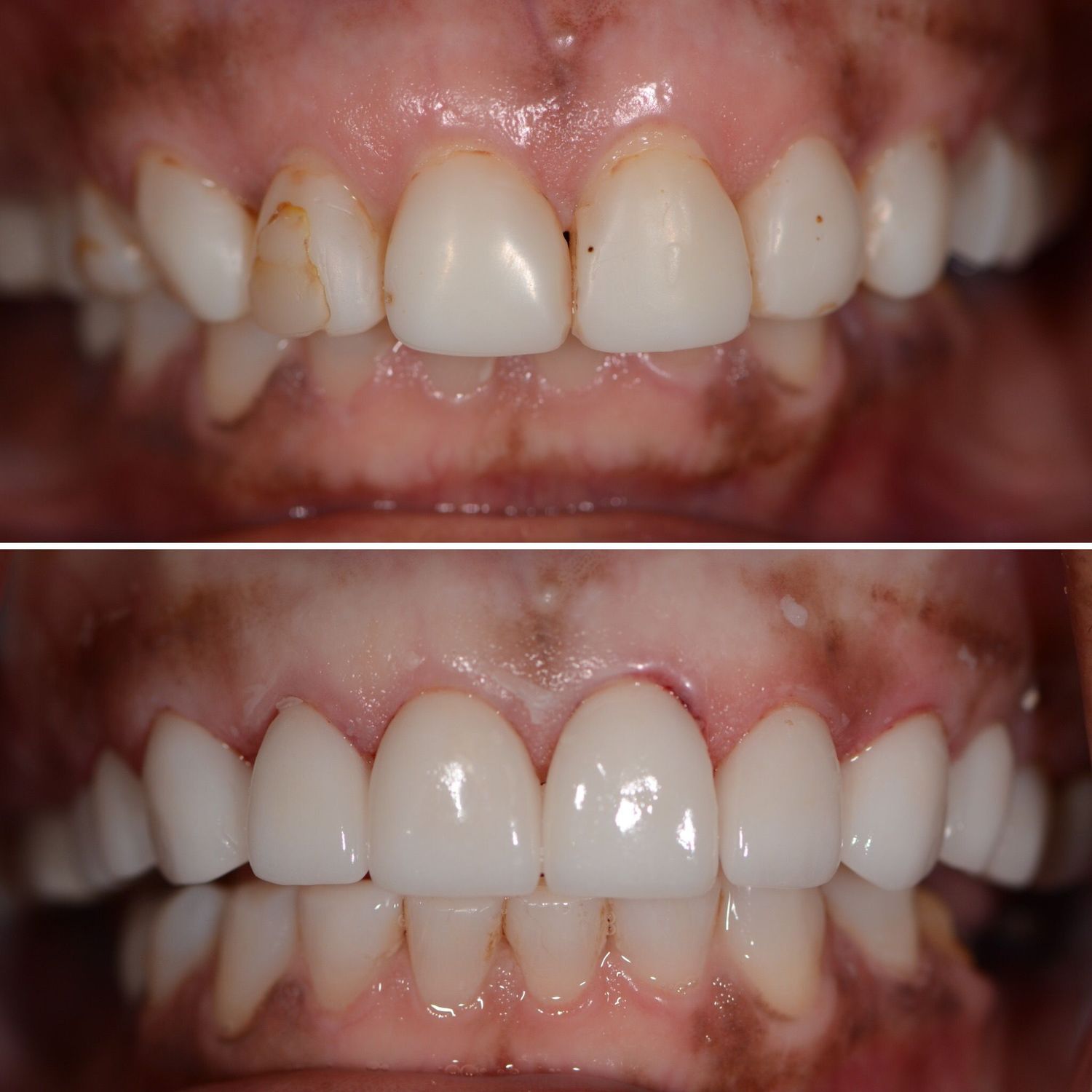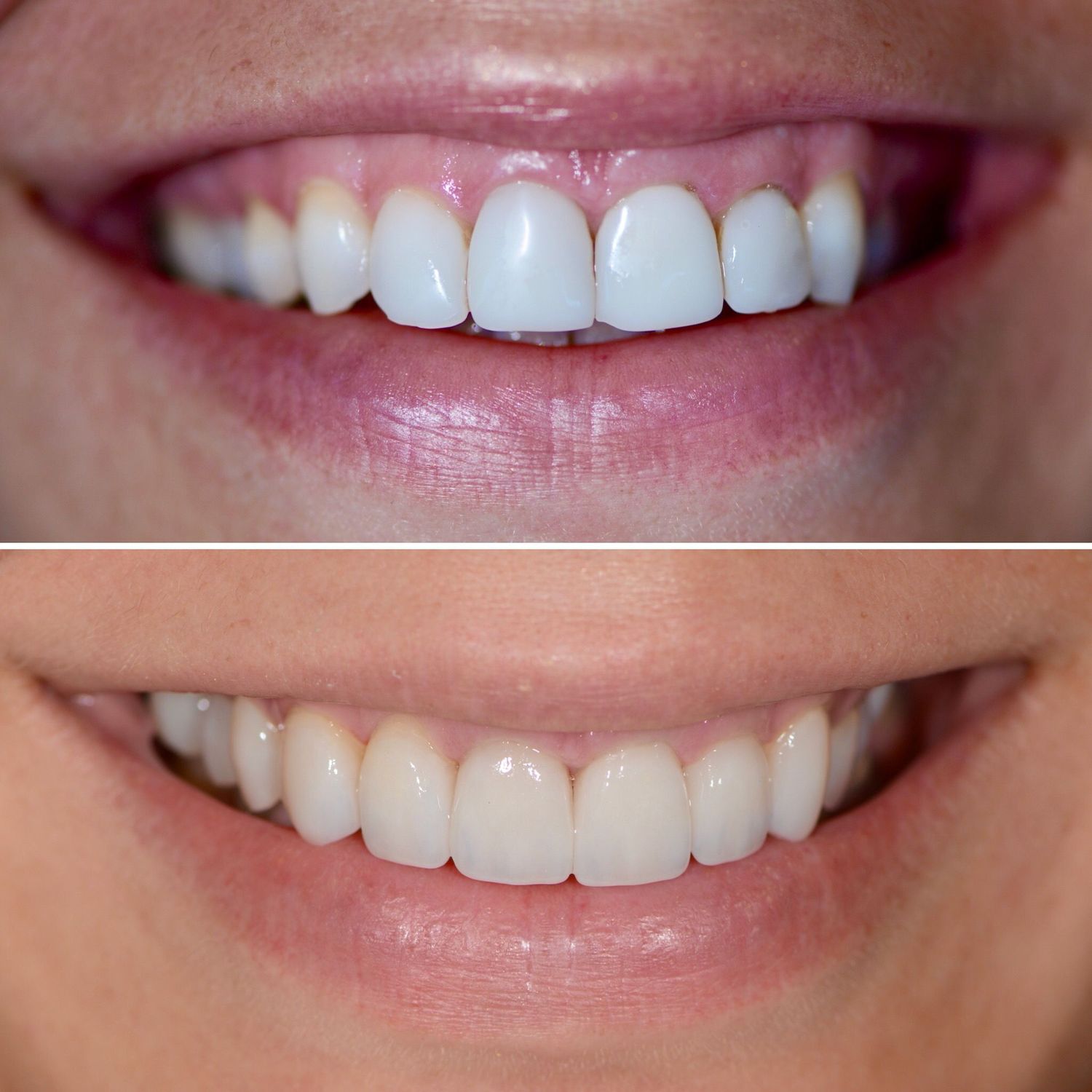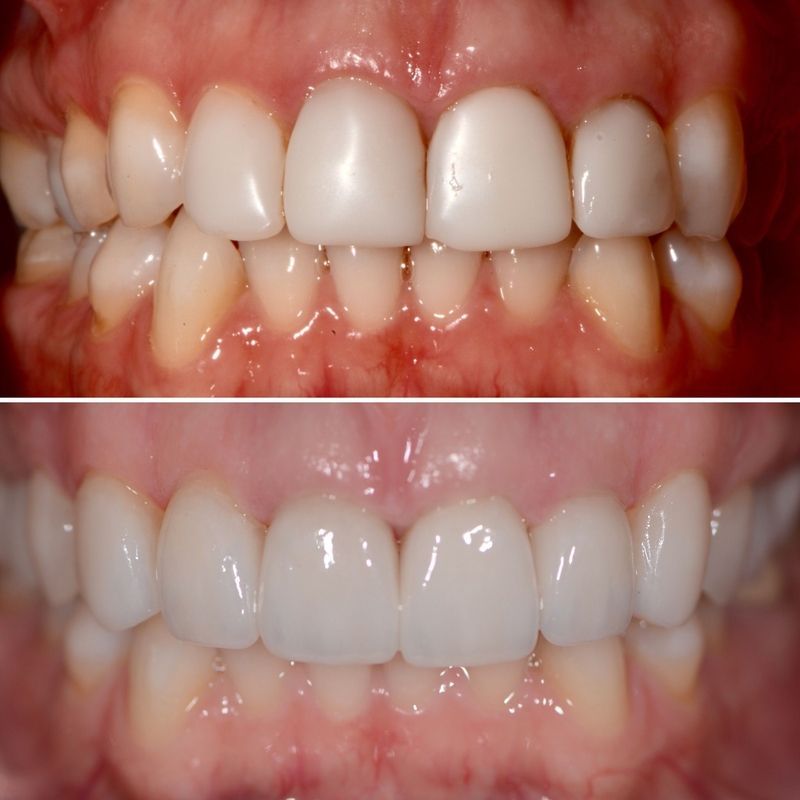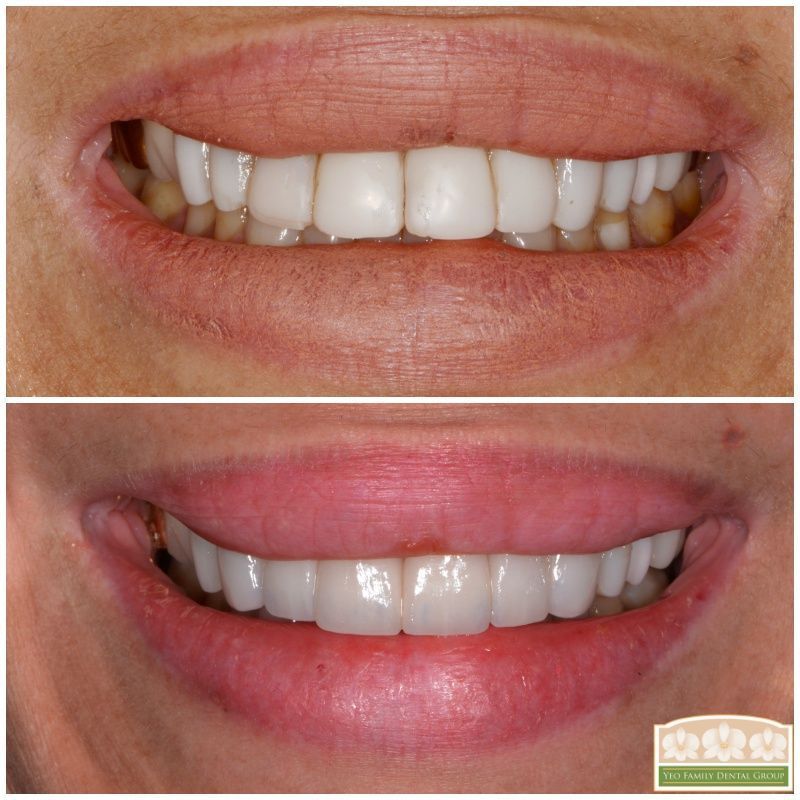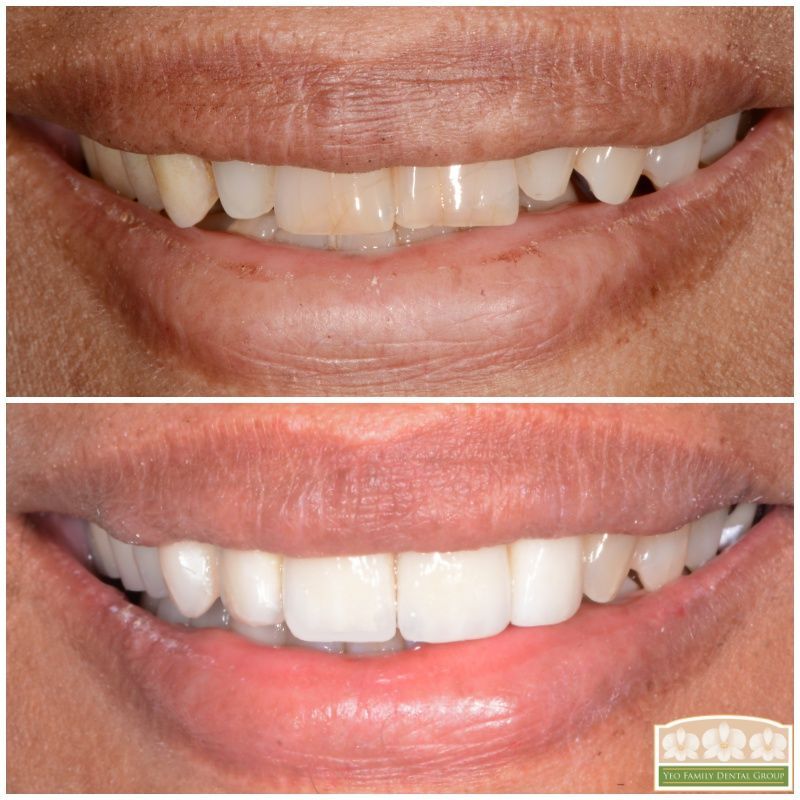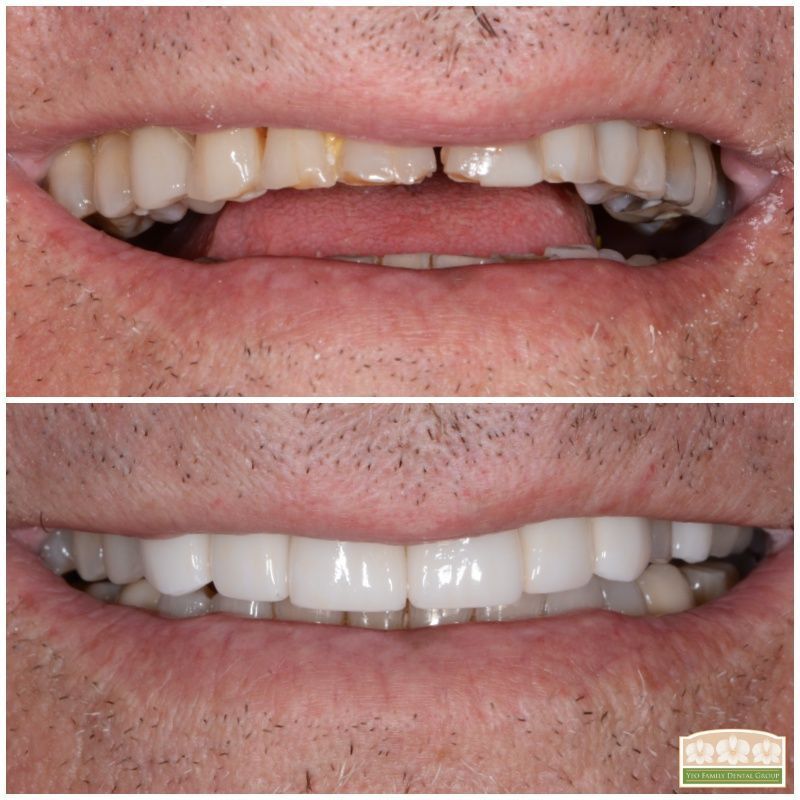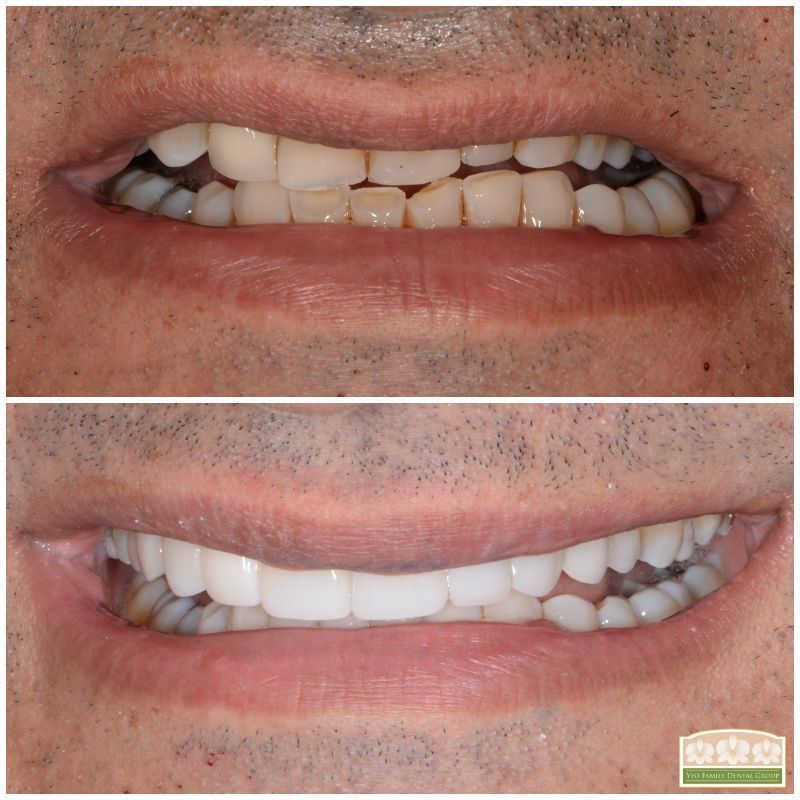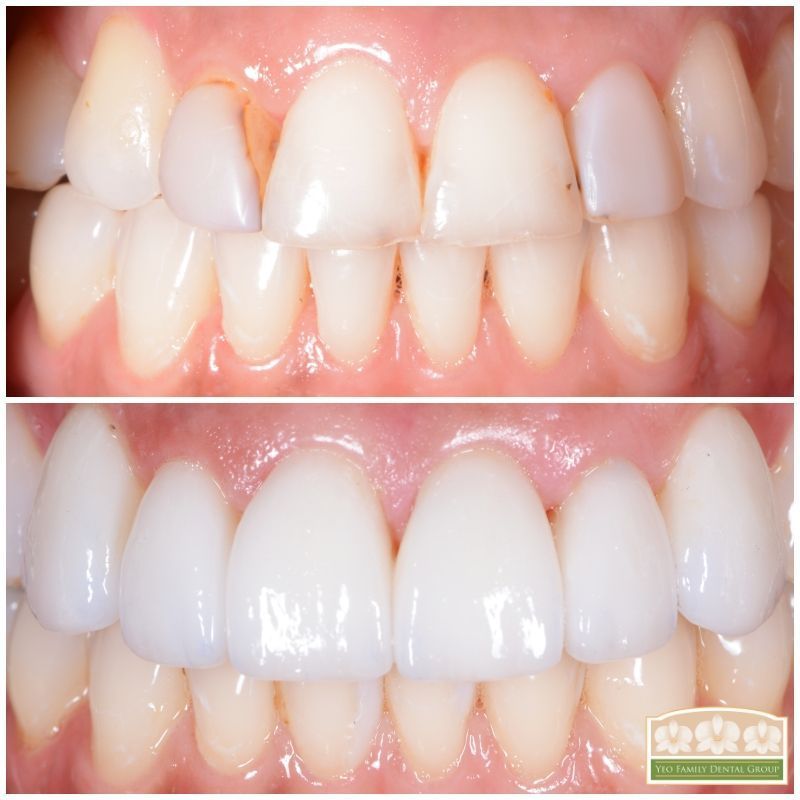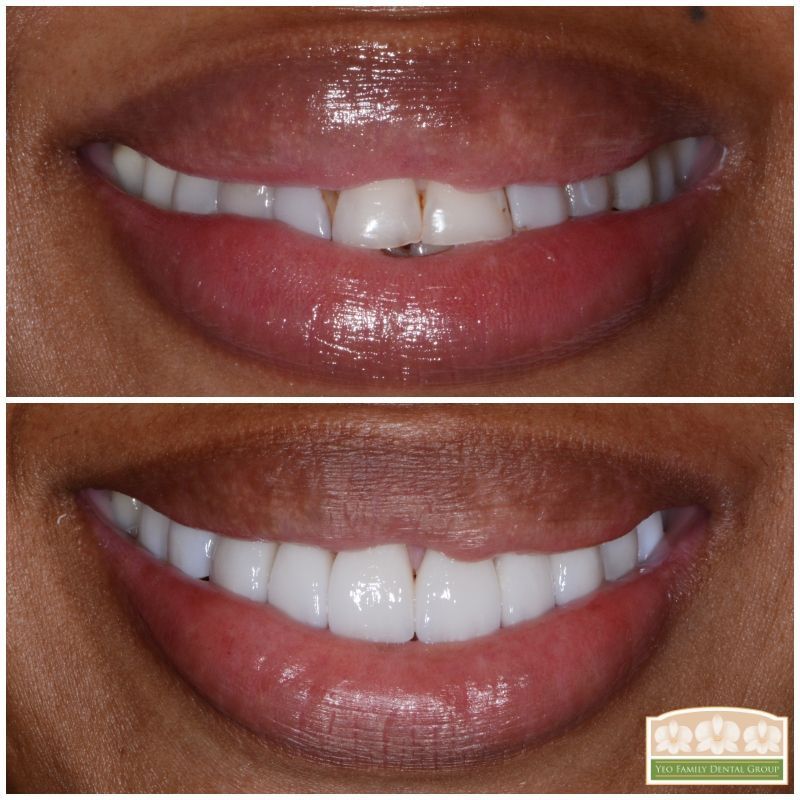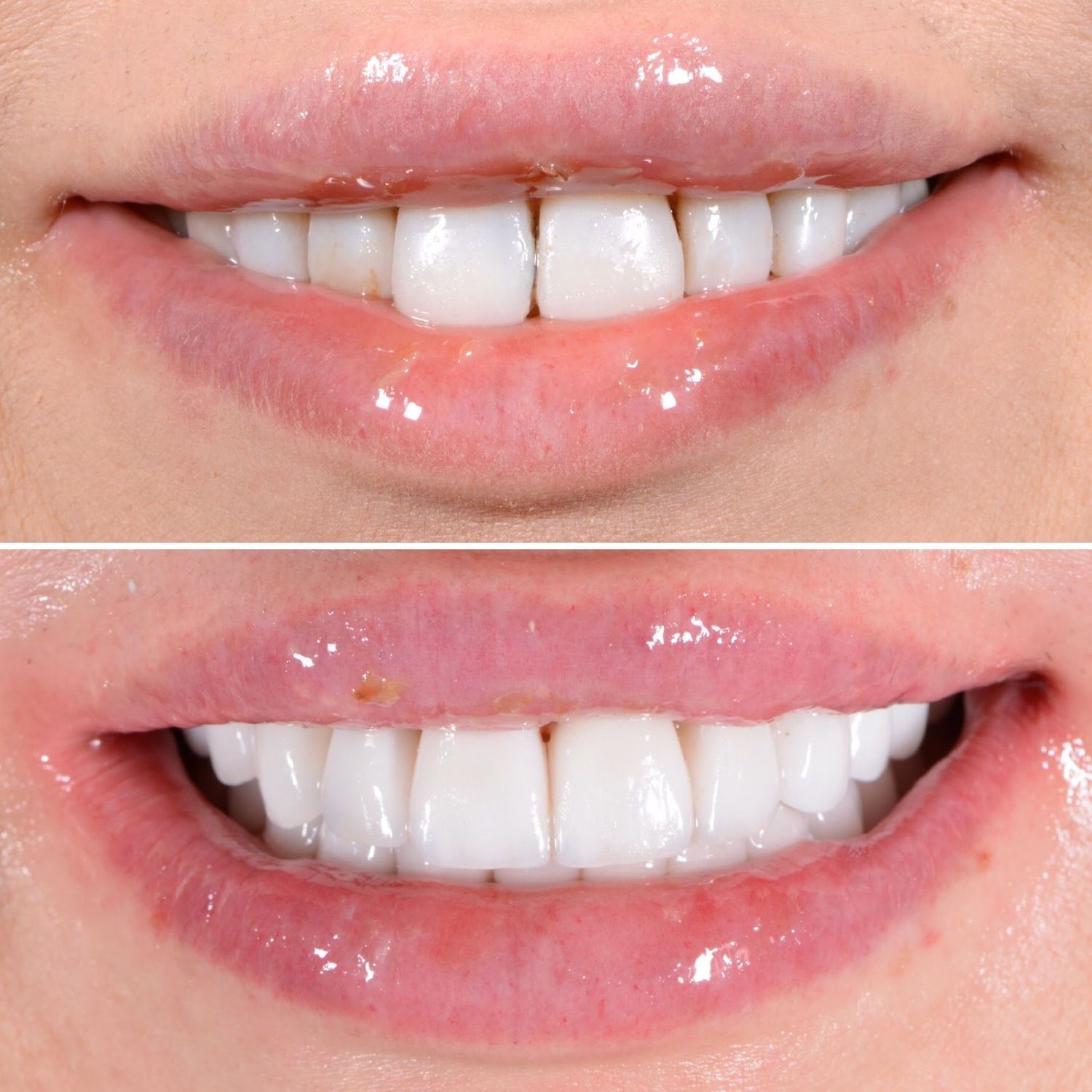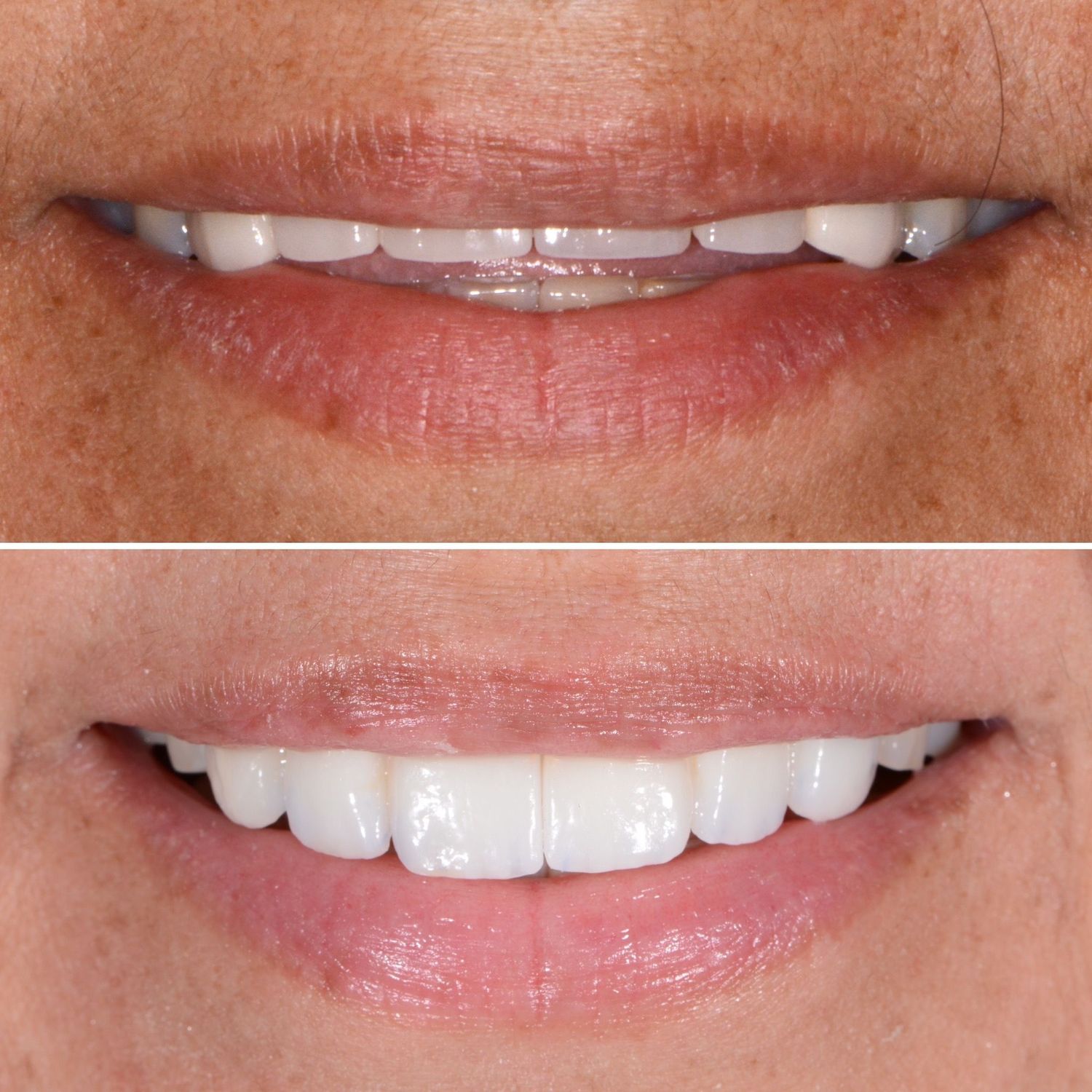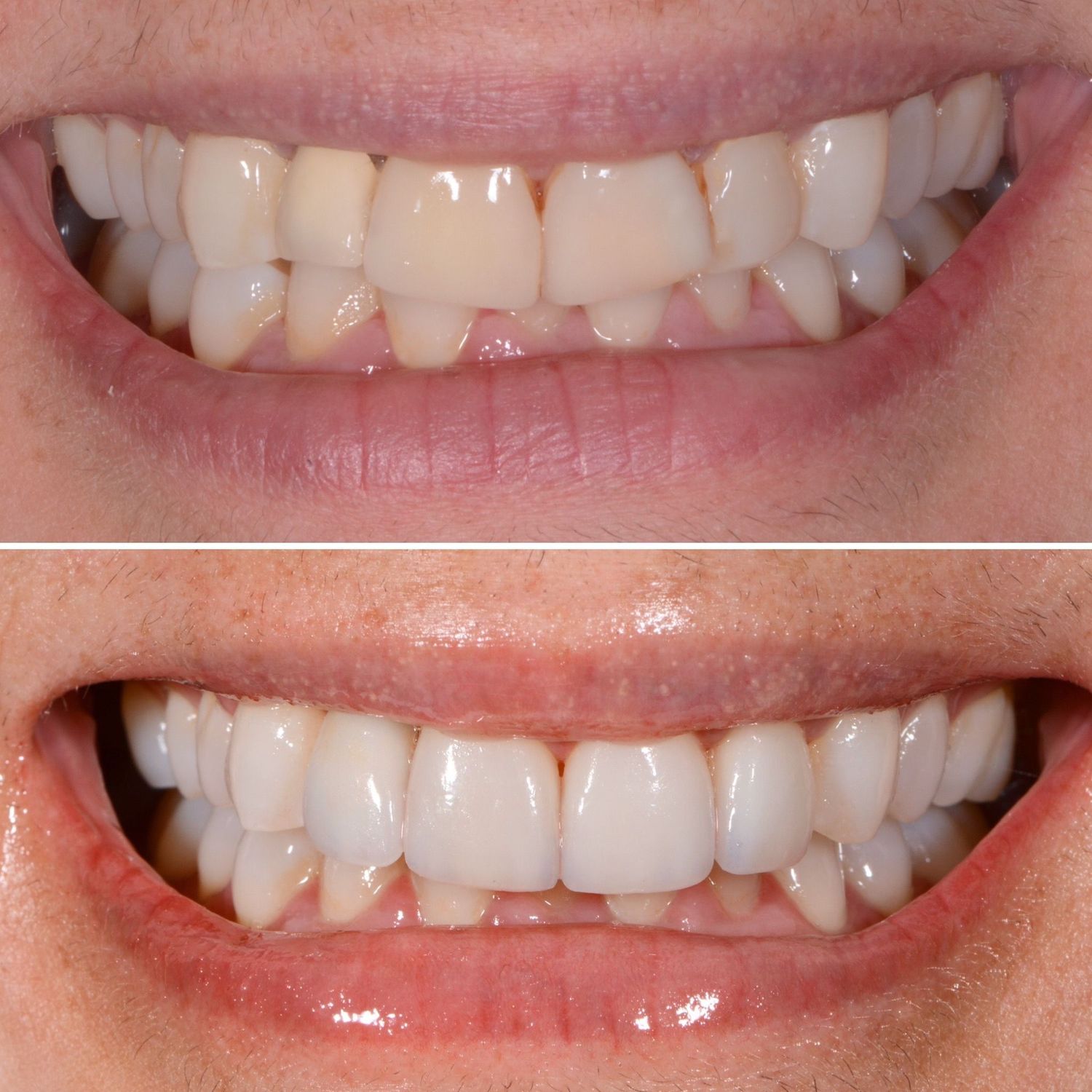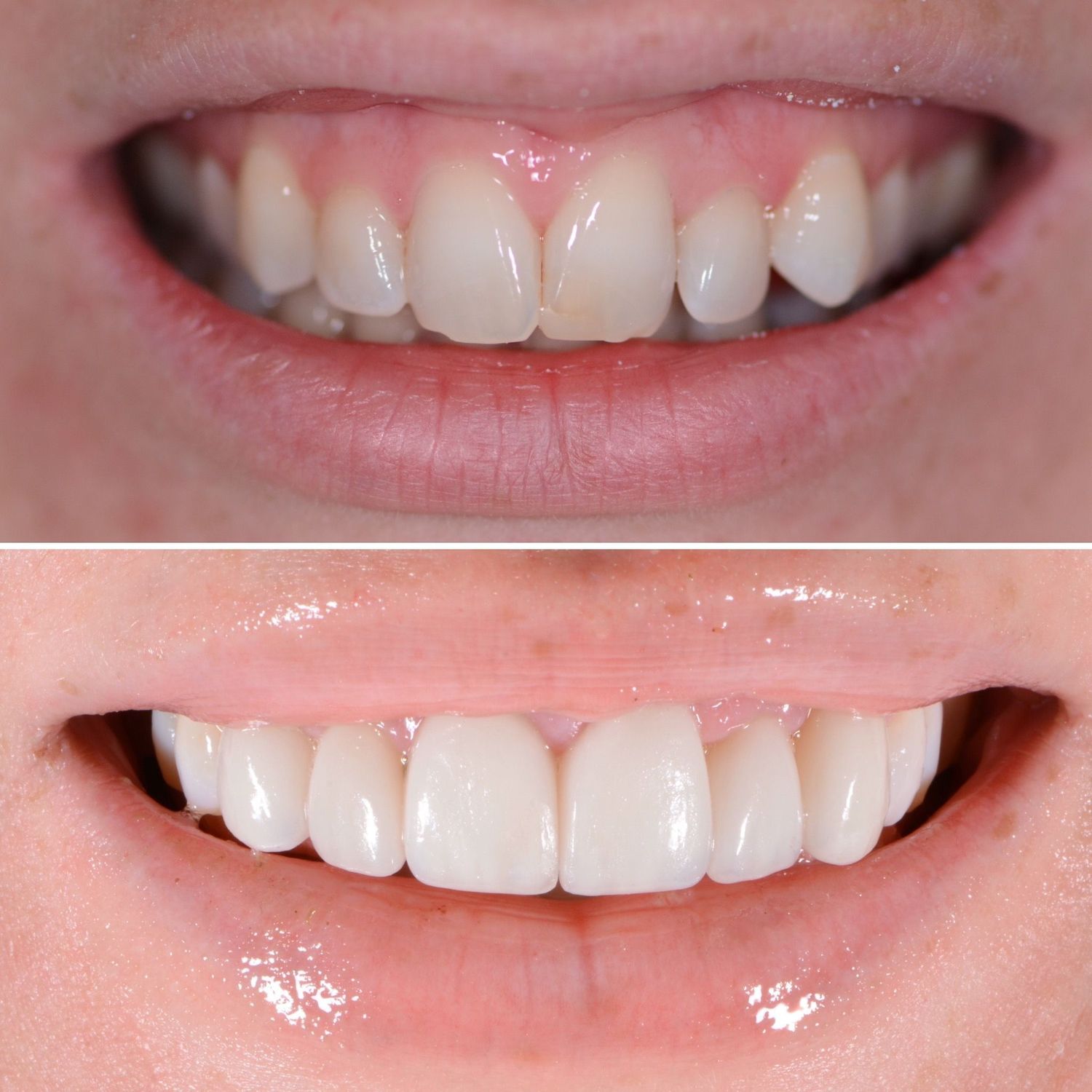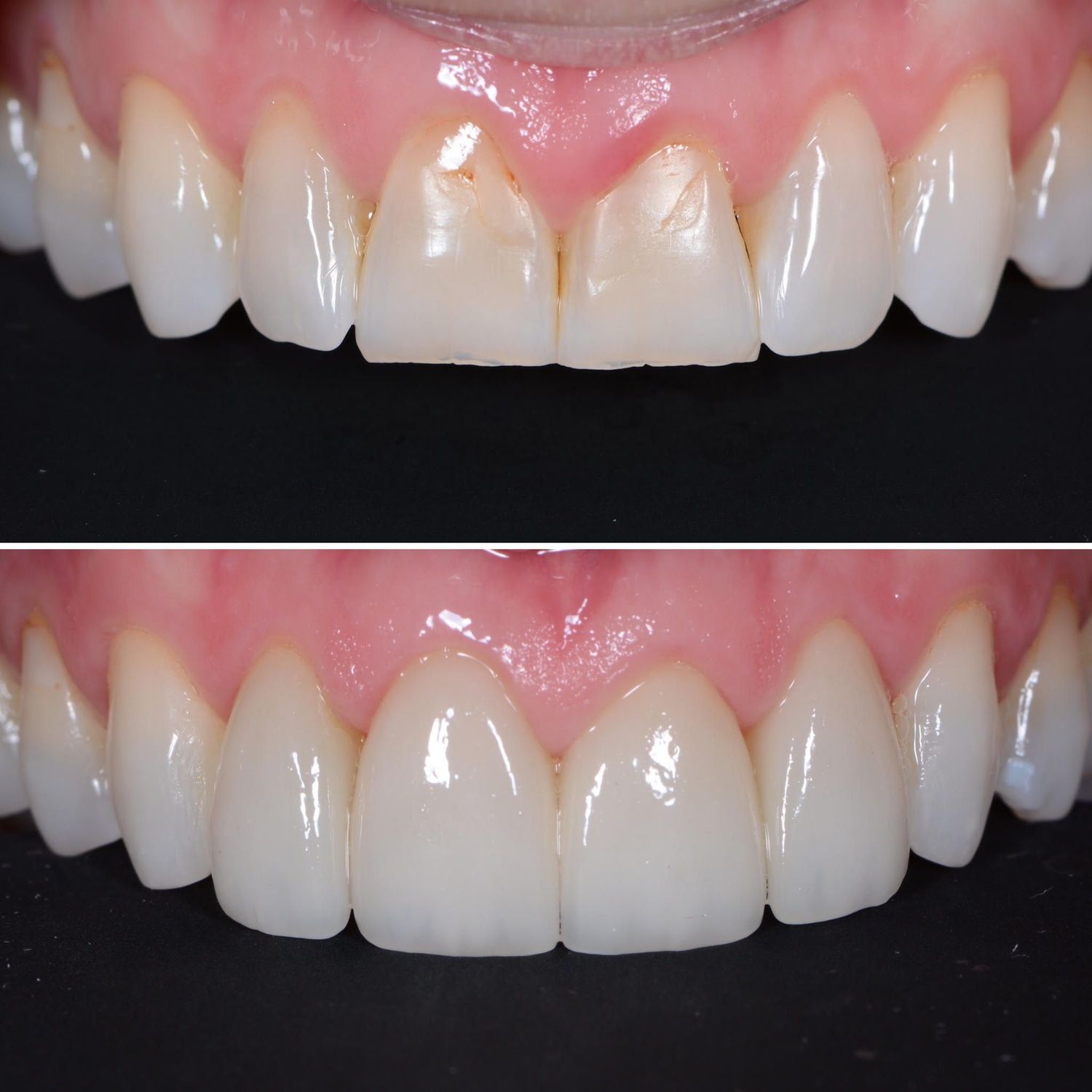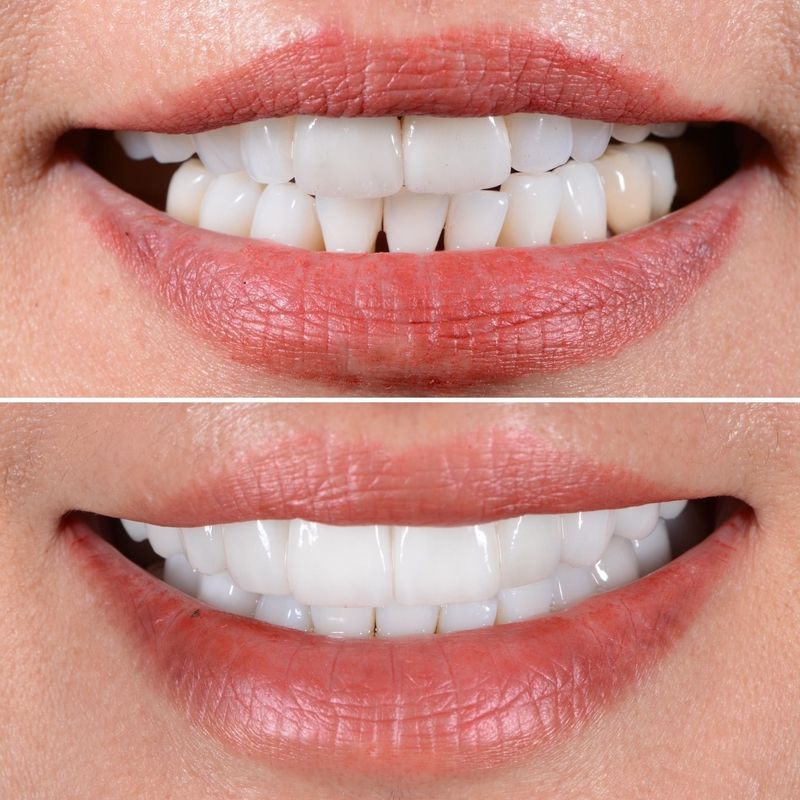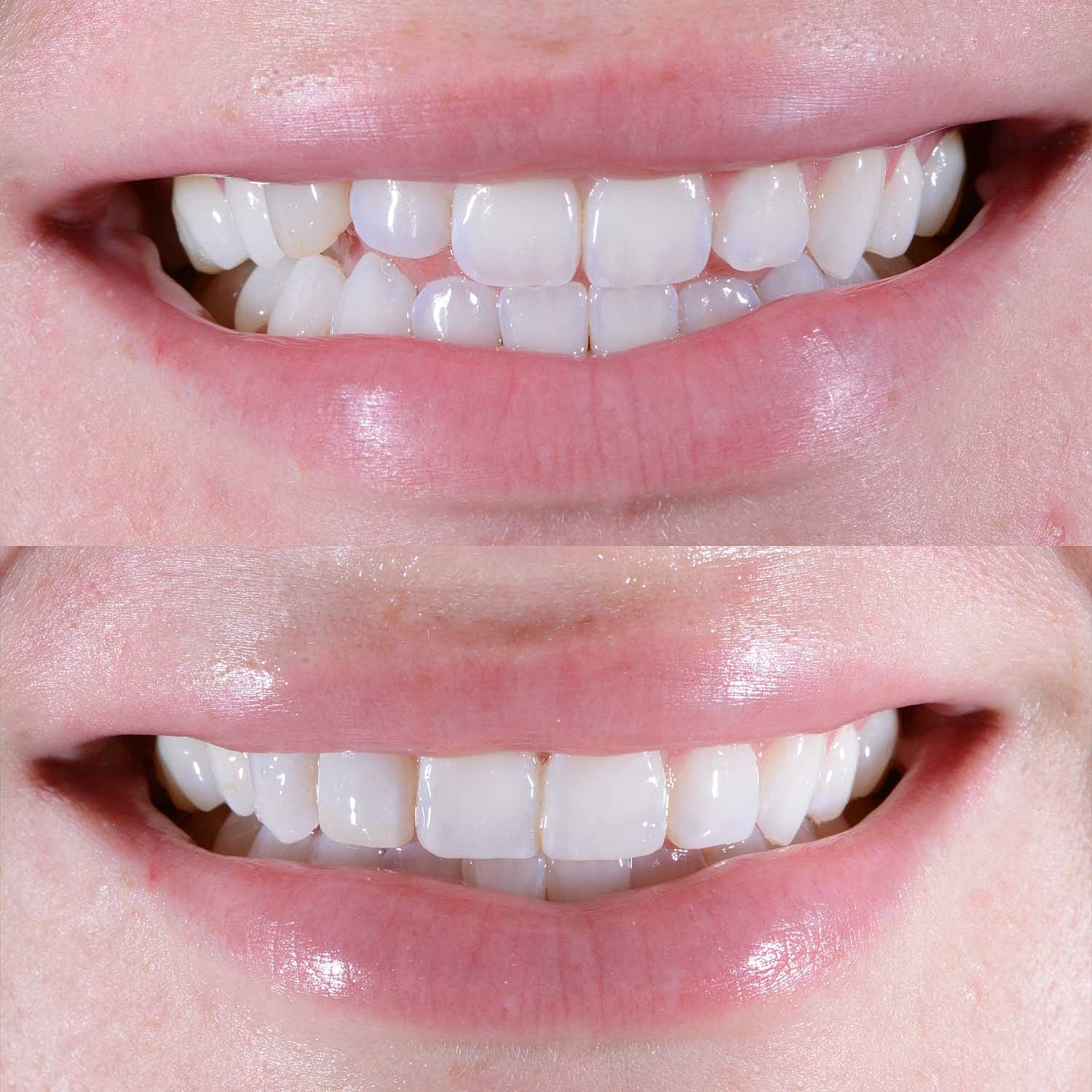


Veneers can help with one of the first things people see: the front teeth that show when you smile, speak, or laugh. For some patients, that means improving chips or worn edges. For others, it means adjusting tooth shape, color, spacing, or mild unevenness without committing to orthodontic treatment.
The dental veneers Marina Del Rey patients receive at our practice are designed to address a range of cosmetic concerns and seamlessly transform the appearance of the smile. We specialize in both porcelain veneers and composite veneers, providing the flexibility to design a procedure tailored to you. Experience the difference that comes with expert care and personalized attention at Yeo Family Dental Group.
Veneers at a Glance

Dental veneers are thin, custom-made restorations that cover the front surface of the teeth to improve their color, shape, size, or overall appearance. They can be an excellent way to address chipped teeth, gaps, discoloration, misshapen teeth, worn edges, and other aesthetic imperfections while still keeping the smile natural. At Yeo Family Dental Group in Marina Del Rey, each veneer treatment is planned around your oral health, cosmetic goals, and the look you want to achieve.
1 of 25
There are several types of dental veneers, and the right option depends on your teeth, budget, timeline, and long-term goals. Dr. Yeo or Dr. Tan will walk you through the pros and cons so your final choice feels clear, comfortable, and right for your smile.
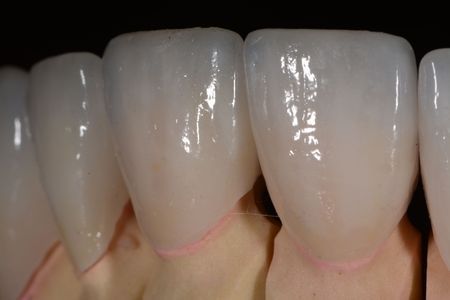
Porcelain dental veneers are custom-made in a dental lab using high-quality porcelain. They are known for their strength, natural appearance, and stain-resistant finish, making them a popular choice for patients who want long-lasting results. Porcelain dental veneers can mimic the translucency of natural teeth, so they blend well with the rest of your smile.
Composite veneers are made with tooth colored composite resin that is shaped directly onto the teeth. They can often be completed in one appointment and usually require less enamel removal than porcelain veneers. Composite resin is more affordable, but it may stain sooner and need touch-ups or replacement earlier than porcelain.
No-prep and minimal-prep veneers may be an option for patients who want subtle cosmetic changes with minimal to no tooth enamel removal. They work best when the natural teeth already have a healthy shape, position, and structure. These veneers are not ideal for every dental issue, but they can be a great fit for the right patient.

Composite veneers are sculpted from tooth-colored resin directly on the tooth during your appointment. They can be a good option for small chips, worn edges, minor gaps, uneven teeth, or patients looking for a faster cosmetic improvement with little or no enamel removal.
Because the material is placed and shaped in the office, many composite veneer treatments can be completed in one visit. Composite veneers also cost less than porcelain and can be repaired if they chip, though they typically last about five to seven years and may stain more easily over time.
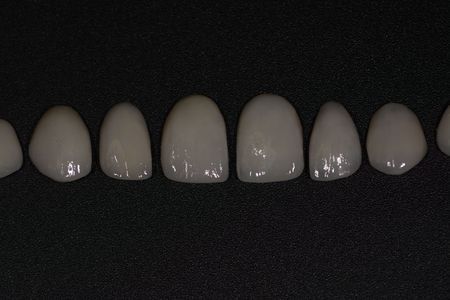
Porcelain veneers are thin ceramic shells custom-made to improve the color, shape, size, and symmetry of your teeth. They provide a durable, stain-resistant finish that closely resembles natural enamel and are a popular choice for patients seeking a long-lasting smile enhancement.
Treatment usually takes two to three visits, allowing time for careful planning, laboratory fabrication, and precise placement. With good oral hygiene and regular dental visits, porcelain veneers commonly last 10 to 15 years or longer before replacement becomes necessary.

Getting dental veneers is a thoughtful, step-by-step process designed to deliver natural-looking, long-lasting results. From your first consultation to final placement, each stage is carefully planned to support both your cosmetic goals and your dental health.
Your first appointment focuses on understanding your goals. Your dentist will evaluate your teeth, gums, and overall oral health, then map out a personalized plan. This is where decisions about shade, shape, and the number of veneers happen. If there are underlying dental issues like decay or gum concerns, those are addressed first to ensure a healthy foundation.
For most porcelain veneers, a small amount of tooth enamel is gently removed from the front surface of the teeth. This step creates space for the veneer so it sits naturally and doesn’t look bulky. Minimal prep or no prep veneers may require little to no enamel removal, depending on your case.
Next, we take precise impressions or digital scans of your teeth. These are sent to a dental laboratory where your porcelain dental veneers are custom-made. The lab carefully crafts each veneer to match your natural teeth and achieve the desired shape and color. This stage is where the artistry really comes into play.
While your permanent veneers are being created, temporary veneers may be placed. These protect your teeth and give you a preview of how your new smile will look and feel. It’s also a chance to make small adjustments before the final veneers are ready.
Once your new veneers arrive, you’ll return for placement. Each veneer is checked for fit, color, and overall appearance. After any final refinements, the veneers are bonded to your teeth using dental cement. A special light is used to harden the bond, securing the veneer in place.
After bonding, your dentist will make small adjustments to ensure your bite feels comfortable and your smile looks balanced. You’ll leave your appointment with a refreshed, natural-looking smile. Follow-up visits and regular cleanings help maintain your veneers and overall oral health over time.
Dental veneers can address a range of cosmetic concerns:
Our approach ensures your veneers address your specific dental concerns while maintaining a natural appearance.

Dental veneers can make a noticeable difference without changing what makes your smile feel like yours. For the right patient, veneers offer a beautiful balance of cosmetic improvement, natural-looking detail, and lasting support for daily confidence. They can enhance the color, shape, and symmetry of your teeth while helping your smile look polished, healthy, and still completely personal.
Not every cosmetic concern calls for the same treatment. Veneers are often the ideal solution for improving the appearance of the front surface of the teeth, but other options like crowns, bonding, or teeth whitening may be better depending on your dental health and goals.
How do veneers compare?
Treatment | Best For | What It Does | Longevity | Key Considerations |
|---|---|---|---|---|
| Porcelain Veneers | Chips, gaps, discoloration, uneven shape | Covers the front surface of teeth with custom-made porcelain | 10–15+ years with proper care | Stain-resistant, realistic, requires minimal enamel removal |
| Composite Veneers | Minor chips, small gaps, quick improvements | Uses tooth colored composite resin shaped directly onto teeth | 5–7 years | More affordable, faster, but may stain or wear sooner |
| Dental Crowns | Badly damaged or decayed teeth | Covers the entire tooth structure | 10–15+ years | Strong and protective, but more tooth reduction required |
| Teeth Whitening | Surface-level discoloration | Brightens natural enamel | Varies with lifestyle | Won’t fix shape, chips, or deeper stains |
| Dental Bonding | Small chips, cracks, minor cosmetic issues | Applies composite resin to specific areas | 3–7 years | Quick fix, less durable than veneers |
| Bridges | Missing one or more teeth | Uses nearby teeth to support a replacement tooth | 5–10 years | Requires altering surrounding teeth |
| Dentures (Partial or Full) | Multiple or full tooth loss | Removable replacement for missing teeth | 5–10 years | May shift, require adhesives, and don’t prevent bone loss |
Most people who come in for our Marina Del Rey dental veneers want to enhance the look of their smile without compromising long-term oral health. Ideal candidates include patients who:
Dr. Yeo and Dr. Tan will assess your oral health and discuss your cosmetic goals to determine if veneers are right for you.
After getting veneers:
Dr. Yeo and Dr. Tan will provide personalized aftercare instructions to ensure the longevity of your veneers.

You'll see immediate results as soon as your veneers are placed. Your new smile will be ready to showcase right away!
Veneers can keep your smile bright, balanced, and natural-looking for many years with the right daily habits. Porcelain veneers are stain-resistant, but they still need the same thoughtful care as natural teeth. Brush twice a day, floss daily, and keep up with regular dental cleanings so your teeth, gums, and veneers stay healthy.
To protect your new veneers, avoid biting directly into very hard foods with your front teeth. Ice, hard candy, pens, fingernails, and tough, crusty foods can place unnecessary stress on the porcelain or composite resin. If you drink coffee, tea, or red wine often, routine dental cleanings can help keep your smile looking fresh.
If you grind or clench your teeth, a custom nightguard can help protect your veneers from chips, cracks, and early wear. With proper care and regular checkups at Yeo Family Dental Group, your veneers can remain a beautiful, functional part of your smile for years.
The cost of veneers depends on several factors, including the number of teeth being treated, the material selected, and the amount of preparation required. Composite veneers generally have a lower upfront cost because they are completed directly in the office, while porcelain veneers involve custom laboratory fabrication and additional planning.
During your consultation at Yeo Dental, we'll examine your smile, discuss your goals, and recommend the option that fits both your dental needs and your budget. You'll receive a detailed treatment plan and transparent pricing before any work begins, so you'll know exactly what to expect.
Yeo Dental is led by Dr. Jamie Yeo and Dr. Rosita Tan, a mother-daughter dental team with decades of combined clinical experience. Their approach uses modern dental technology with the kind of judgment that comes from treating real teeth, real bites, and real patient concerns every day.
The practice philosophy is conservative, comprehensive, and health-focused. Cosmetic dentistry should still protect the tooth underneath. Before recommending porcelain or composite veneers, the team looks at your enamel, gums, bite, smile goals, and long-term oral health.
Patients from Marina Del Rey, Venice, and Culver City choose Yeo Dental for care that feels thoughtful from the first exam to the final polish. The goal is a smile that looks natural, feels comfortable, and supports the health of your teeth over time.
The cost of dental veneers at Yeo Family Dental Group depends on the number of veneers, the complexity of your case, the materials selected, and any other treatments needed to support your oral health before veneer placement.
During your consultation, we will review your goals, examine your teeth and gums, and create a personalized plan with a clear cost breakdown. Financing options may also be discussed to help make treatment planning easier.
Porcelain veneers are a long-term commitment because enamel preparation cannot grow back. Composite veneers may involve less tooth change, depending on the case. During your consultation, Dr. Jamie or Dr. Tan will examine your enamel, bite, gums, and goals before recommending a veneer type.
Composite veneers use tooth-colored resin shaped in the office, so treatment can happen in one visit for many patients. Porcelain veneers are made by a dental lab and take more planning. Composite costs less and is easier to repair. Porcelain lasts longer, resists stain better, and has a more refined finish.
Veneers can look natural when shade, translucency, tooth shape, gum line, and bite are planned together. The best veneer work does not rely on brightness alone. At Yeo Dental, veneer planning focuses on proportion, facial balance, and a result that still fits your smile.
Veneers can make mild crookedness look straighter by changing the visible shape of the teeth. They do not move tooth roots or correct a bite problem. If your teeth need real alignment, Invisalign may be the better first step before veneers.
No. Whitening gel changes natural enamel, not porcelain or composite resin. If you want a brighter smile, whitening should happen before veneer shade selection. This helps your veneers match the tooth color you plan to keep.
Porcelain veneers have strong stain resistance. Composite veneers can absorb stain over time, which is one reason they may need polishing or replacement sooner. Coffee, tea, red wine, tobacco, and missed cleanings can show faster on composite resin.
Yes. Veneers cover the front of the tooth, but the natural tooth structure around and behind the veneer can still develop decay. Brushing, flossing, routine cleanings, and careful attention to the gumline help protect the tooth under the veneer.
Veneers should not create a bite problem. Before bonding, Dr. Jamie or Dr. Tan checks how the teeth come together and makes small adjustments as needed. A balanced bite helps protect the veneers from chips, cracks, and early wear.
Most patients feel pressure, water spray, and vibration rather than sharp pain. Local numbing can be used during enamel preparation. After bonding, some gum tenderness or temperature sensitivity can happen for a few days while the teeth settle.